
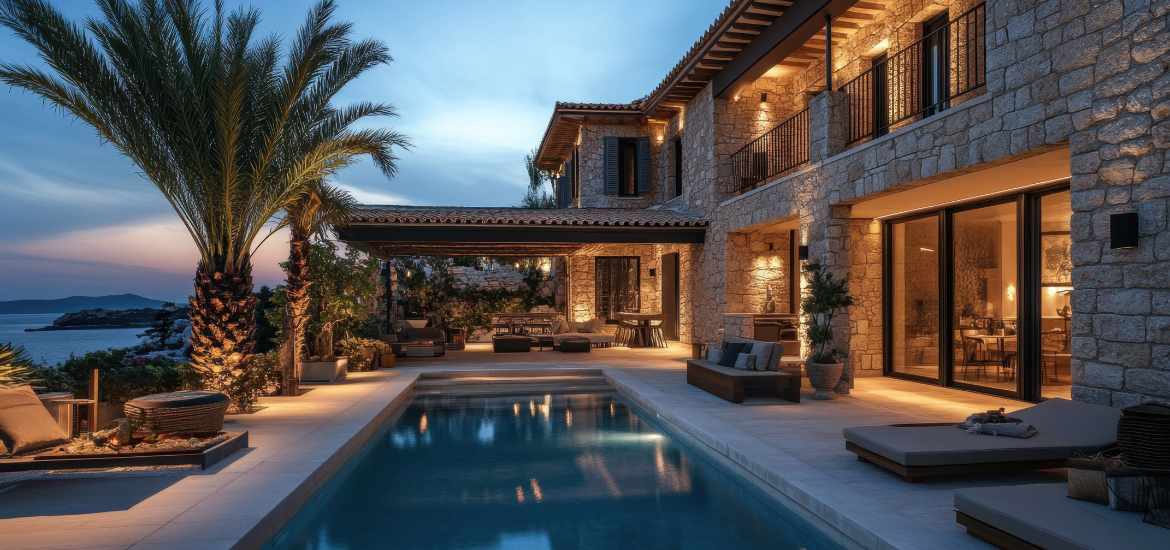
Outdoor spaces are more than just yards or gardens; they play an essential role in how we relax, entertain, and connect with nature. Whether you have a small garden, a sprawling backyard, or a balcony, the right landscaping can transform your outdoor area into a peaceful retreat or a vibrant entertainment hub. Properly designed landscapes create a functional and aesthetic space that suits your lifestyle while improving the curb appeal and overall value of your property.
In this blog, we will explore creative landscaping ideas and offer useful tips for enhancing your outdoor space. From understanding landscaping trends for 2026 to choosing the right plants, incorporating hardscaping elements, and adopting sustainable landscaping practices, you’ll find inspiration for every project—big or small.
1. Top Landscaping Trends for 2026
Landscaping is a dynamic field, and every year brings new trends that reflect changing tastes, environmental concerns, and innovations in design. For 2026, the following landscaping trends are set to take center stage:
-
Nature-Inspired Designs: Homeowners are increasingly leaning toward designs that mimic natural landscapes. Think wildflower gardens, rock gardens, and native plants that blend seamlessly with the environment. These designs help create a relaxed, organic aesthetic while supporting biodiversity.
-
Multi-Use Outdoor Spaces: Outdoor spaces are being designed with functionality in mind. Instead of just a garden or lawn, spaces are becoming more versatile. Patios, decks, and pergolas are now equipped with seating areas, outdoor kitchens, and even fire pits. These areas serve as spaces for relaxation, dining, and entertaining, making them perfect for year-round use.
-
Sustainable Landscaping: As environmental concerns grow, homeowners are increasingly opting for eco-friendly landscaping. This includes the use of native plants that require less water, the implementation of rainwater harvesting systems, and solar-powered lights. Sustainability is a growing trend in landscaping, as it not only reduces environmental impact but also leads to cost savings.
-
Smart Gardens: With advancements in technology, smart gardens are gaining popularity. Homeowners are integrating smart systems like irrigation control, outdoor lighting, and even automated lawn mowers. These systems help homeowners maintain their gardens efficiently and sustainably, all while reducing manual labor.
-
Minimalist Designs: Simplicity is in demand. Clean lines, subtle color schemes, and monochromatic plant choices are becoming more common. Minimalism in landscaping allows the space to feel open, calm, and easy to maintain, often with a focus on a few select materials and plants to create a sleek, modern aesthetic.
2. How to Choose the Right Plants for Your Climate and Soil
One of the most crucial aspects of landscaping is choosing the right plants that thrive in your local climate and soil conditions. Selecting plants that are suited to your region not only makes your garden more beautiful but also makes it more sustainable and low-maintenance. Here’s how to choose the right plants:
-
Know Your Climate: Different plants have specific temperature ranges, water requirements, and light preferences. Understanding your local climate is essential. For example, if you live in a region with hot, dry summers, you might consider drought-tolerant plants like lavender, succulents, and cacti. On the other hand, if you live in a rainy, humid climate, plants like ferns and hostas may be a better fit.
-
Test Your Soil: Soil type affects plant health. Sandy soil drains quickly, while clay soil retains moisture. Loamy soil, which is a balance of sand, silt, and clay, is ideal for most plants. You can have your soil tested at a local nursery or garden center to determine its pH, texture, and nutrient levels. Once you know your soil type, you can choose plants that thrive in those conditions.
-
Consider Seasonal Interest: Choose plants that provide year-round interest. This could mean selecting evergreens that maintain their foliage through the winter or plants that flower in different seasons. Spring bulbs like tulips and daffodils, followed by summer perennials like coneflowers and daylilies, ensure that your garden is always in bloom.
-
Native Plants: One of the best choices for your garden is native plants. These are species that naturally grow in your region, so they require less water, fertilizer, and pest control. They are also more resistant to local diseases and pests, making them a sustainable and eco-friendly option.
3. Incorporating Hardscaping Features Like Patios, Walkways, and Retaining Walls
While plants and greenery are essential for a beautiful garden, hardscaping features such as patios, walkways, and retaining walls provide structure, functionality, and visual appeal to your outdoor space. Here’s how you can incorporate hardscaping into your landscaping design:
-
Patios and Decks: A patio or deck is the perfect space for dining, entertaining, or simply relaxing outdoors. These features can be made from a variety of materials such as stone, wood, or composite decking. You can design them to complement your home’s architecture and connect the interior of your home to the outdoor living space.
-
Walkways: Walkways help define the paths through your garden and create a visual flow. Use materials like flagstone, bricks, or gravel to build walkways that guide visitors through your garden. Consider using curving paths that follow the natural layout of the land for a more organic feel.
-
Retaining Walls: If your garden has sloped land, a retaining wall can help create flat spaces for planting and reduce soil erosion. These walls can be made of stone, brick, or timber and can also serve as an attractive backdrop for plants, adding dimension and interest to your garden.
-
Outdoor Fireplaces and Fire Pits: Fire features, such as fire pits or outdoor fireplaces, are great additions to your backyard, offering warmth and ambiance for evening gatherings. Whether you’re entertaining guests or simply enjoying a cozy evening, fire features enhance the functionality and comfort of your outdoor space.
4. Sustainable Landscaping Practices and Water-Efficient Gardens
Sustainability is an important consideration for modern landscaping. By implementing water-efficient practices and choosing eco-friendly materials, you can reduce your environmental impact and create a garden that is both beautiful and sustainable. Here are some ways to incorporate sustainability into your landscaping:
-
Native and Drought-Tolerant Plants: As mentioned earlier, using native plants is one of the best ways to create a sustainable landscape. These plants require less water and maintenance, as they are adapted to the local climate. Additionally, xeriscaping involves designing gardens that use plants that thrive in dry conditions, minimizing the need for irrigation.
-
Rainwater Harvesting: Install a rainwater harvesting system to collect water from your roof, which can then be used to irrigate your garden. This reduces your reliance on tap water and helps conserve this precious resource.
-
Drip Irrigation Systems: Traditional sprinklers can waste a lot of water, especially if they’re not carefully calibrated. Instead, install a drip irrigation system, which delivers water directly to the plant’s roots, reducing water waste and ensuring efficient watering.
-
Composting: Composting organic materials like kitchen scraps and yard waste can help enrich your soil naturally. It reduces the need for chemical fertilizers and creates nutrient-rich soil that supports healthy plant growth.
-
Eco-Friendly Materials: When selecting materials for paths, patios, or walls, choose sustainable options such as recycled stone, bamboo decking, or eco-friendly concrete. These materials are not only better for the environment but also often more durable and low-maintenance.
Conclusion
Landscaping is more than just an aesthetic addition to your home; it’s about creating a space that enhances the way you live, work, and connect with nature. Thoughtful landscaping can increase your property’s curb appeal, functionality, and value. By choosing the right plants, incorporating hardscaping features, and adopting sustainable practices, you can create an outdoor space that not only looks beautiful but also supports your lifestyle and the environment.
As you plan your next landscaping project, consider the trends for 2026, make informed choices based on your local climate, and remember that your outdoor space is an investment in your home’s long-term beauty and value. Whether you want a relaxing garden retreat or an entertainment-friendly backyard, the right landscaping can turn your outdoor area into an oasis that will be enjoyed for years to come.